
Joinery
Wardrobe Design Cost in Pakistan 2026: Shutters, Boards and Fittings
A built-in wardrobe is one of the most used pieces in a home. Its price comes down to the box, the doors and what goes inside.
What decides a wardrobe price
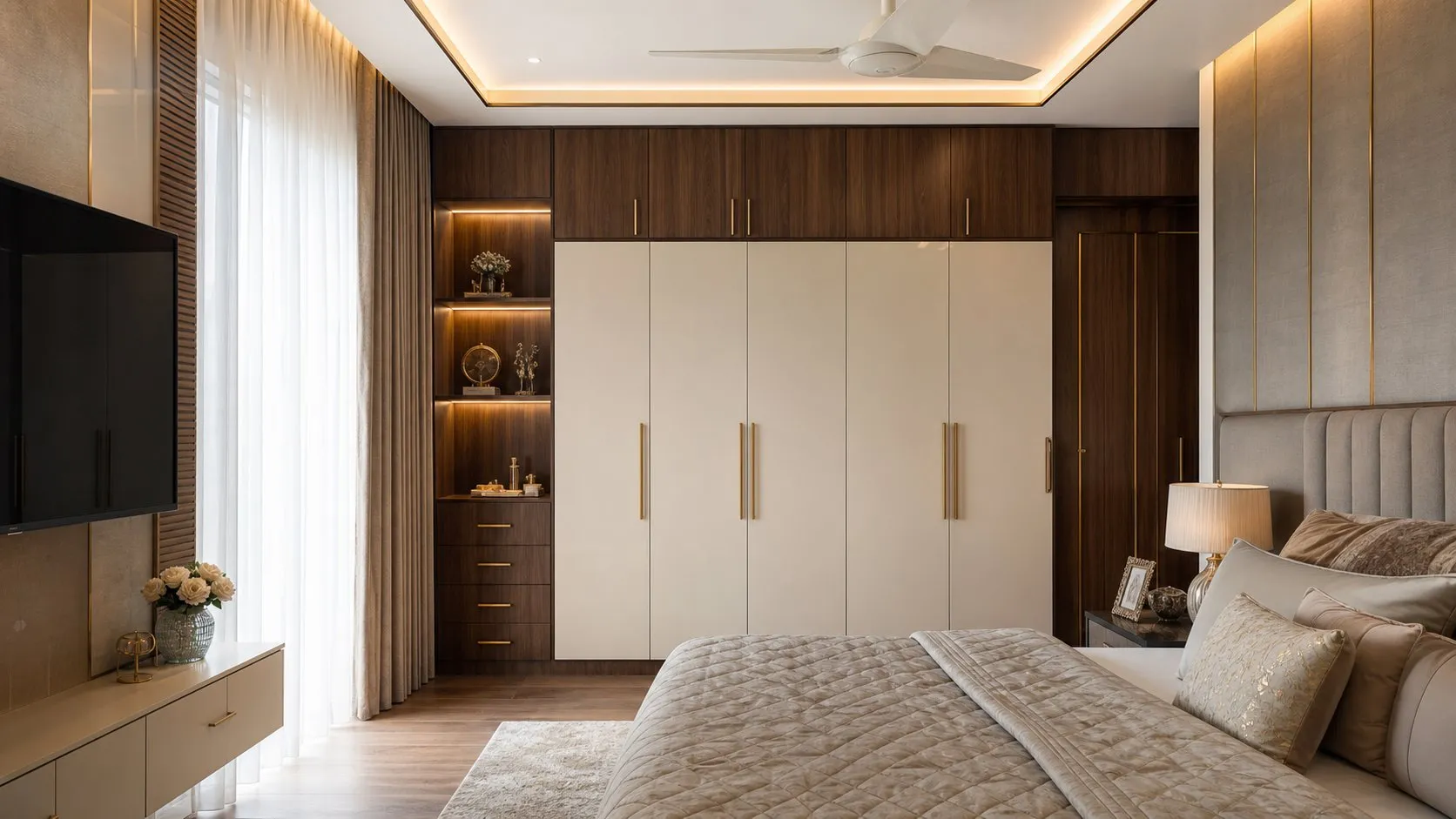
The wardrobe price in Pakistan depends on four things: the board used for the carcass, the shutter finish, the door system and the internal fittings. Size matters too, but two wardrobes of the same width can be priced very differently because of these choices.
Shutter materials compared
| Shutter | Look | Durability | Care |
|---|---|---|---|
| Laminate | Matt or textured, many colours | High | Easy |
| Acrylic | High gloss, mirror-like | Good | Shows fingerprints |
| Lacquer / PU paint | Seamless, any colour | Good | Avoid knocks |
| Veneer | Natural wood grain | Good | Needs polish care |
| Glass or mirror | Light, reflective | Good | Clean regularly |
Sliding or hinged doors
Hinged doors give full access and are simpler to make. Sliding doors save space in tight bedrooms but need quality tracks and careful installation; cheap tracks are the most common complaint we hear. Choose by the room width and the clearance in front of the wardrobe.
Fittings inside
- Pull-out trouser and tie racks
- Soft-close drawers with good runners
- Lift-down hanging rails for high sections
- Shoe and accessory pull-outs
- Internal LED lighting
- A locker for valuables
- Loft storage above for seasonal items
Fittings add up quickly. Pick the few you will use every day.
Hinged, sliding or open?
| Type | Best for | Watch out for |
|---|---|---|
| Hinged doors | Most rooms, full access to the inside | Needs clear space in front for the swing |
| Sliding doors | Tight rooms | Only half the wardrobe is open at once |
| Open wardrobe | Dressing rooms | Dust, and everything is on show |
Inside layout checklist
- Long hanging for dresses and shalwar kameez.
- Double hanging for shirts and trousers.
- Drawers for folded clothes and accessories.
- Shoe racks or pull-outs.
- A locker or safe compartment.
- A top shelf for luggage and seasonal items.
Where to spend and where to save
| Spend more on | Save on |
|---|---|
| Hidden work: wiring, plumbing, waterproofing | Decorative accessories you can add later |
| Hardware that moves every day: hinges, runners, locks | Loose furniture in rooms used rarely |
| Surfaces that take wear: kitchen counters, floors | Feature finishes in low-traffic areas |
| Good lighting design | Trend items likely to date quickly |
Hidden work is the hardest and most expensive to fix later, so it deserves the budget first.
Finishes and their care
Laminate is durable and easy to clean. Lacquer and paint finishes look refined but can chip and show fingerprints. Veneer gives a natural wood look and needs occasional care.
Whichever finish you choose, ask for a sample door to see it in your room's light, and check edge banding quality closely.
Next steps
If you are planning new wardrobes, start by writing down what you want to change, what must stay and the date you need the space ready. Take photos of the space as it is today and collect a few images of interiors you like.
Count your hanging clothes, folded items and shoes. A quick inventory makes sure the inside layout fits what you actually own.
When you are ready, see our wardrobe design page or book a site visit or studio meeting. A designer can review your space, talk through options and prepare a written, itemised quote.
Planning your wardrobe
- Measure the wall, ceiling height and door clearances.
- List what you store: hanging, folded, shoes, bags.
- Choose hinged or sliding.
- Select board and shutter finish.
- Ask for a quote listing all fittings by brand.
See our residential interior design work, the matching modular kitchen guide, or start on the estimator.
The short version.
- Four cost drivers: board, shutters, door system and fittings.
- Sliding needs good tracks; hinged is simpler.
- Choose fittings you will use every day.
Questions
Asked often, answered plainly.
Usually per square foot of front area or per running foot, with fittings and special finishes added. Ask what the base rate includes.
Laminate is the most durable for daily use. Acrylic and lacquer look premium but need more care; veneer gives real wood warmth.
Often slightly, because of the track system. Their value is in saving space in tight rooms.
Deep enough for hangers to sit without touching the doors, plus space for sliding tracks if used.
The doors sell the wardrobe. The fittings decide whether you love it.
Keep looking
Related reading.
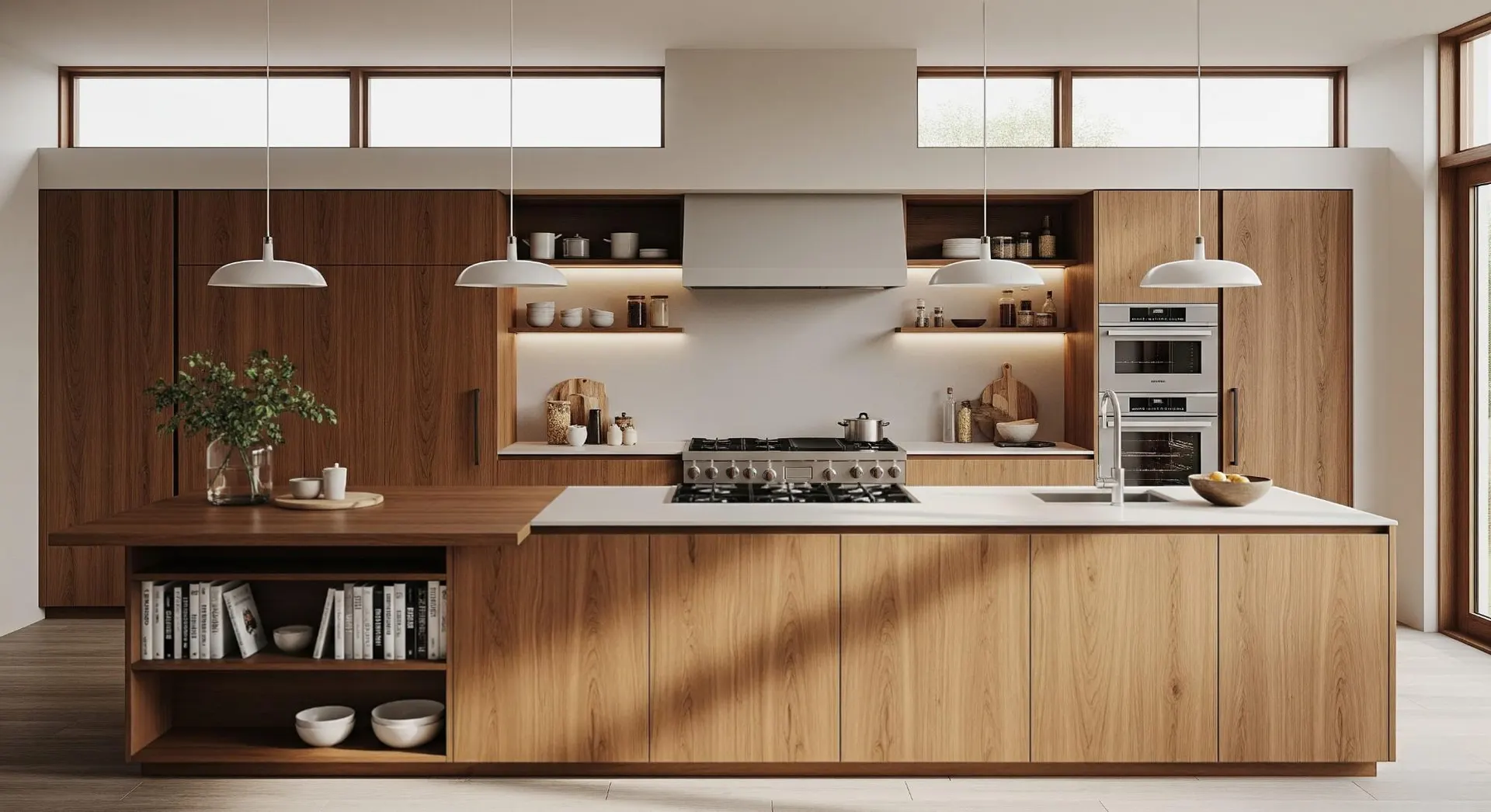
Modular Kitchen Price in Pakistan 2026: Materials, Hardware and Layout
Carcass, shutters, hardware and counters: the four choices that set a modular kitchen budget.
Read the article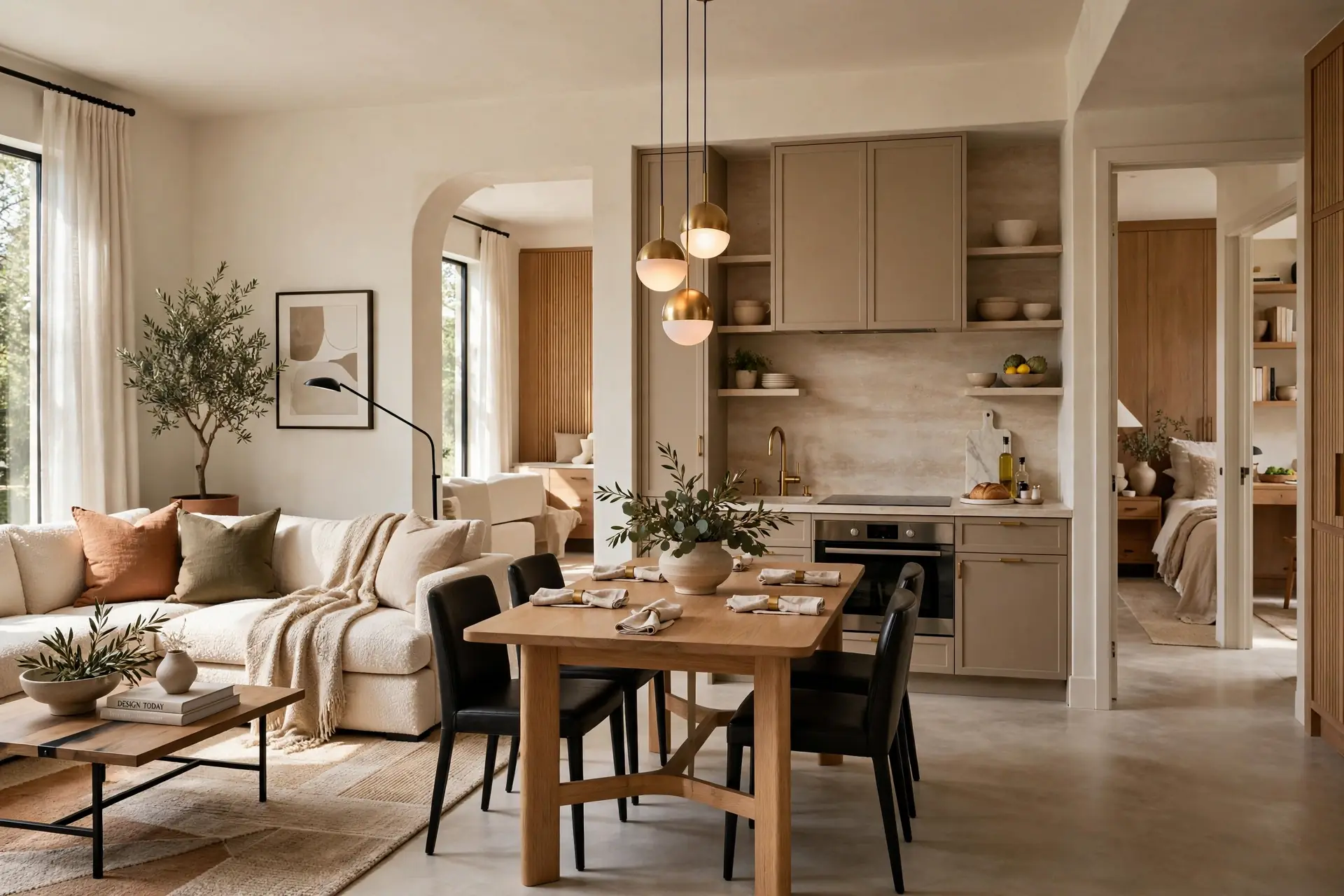
1 Kanal House Interior Cost in Lahore 2026: Room-by-Room Budget
Where a 1 kanal interior budget goes, room by room, and how to phase it without regret.
Read the article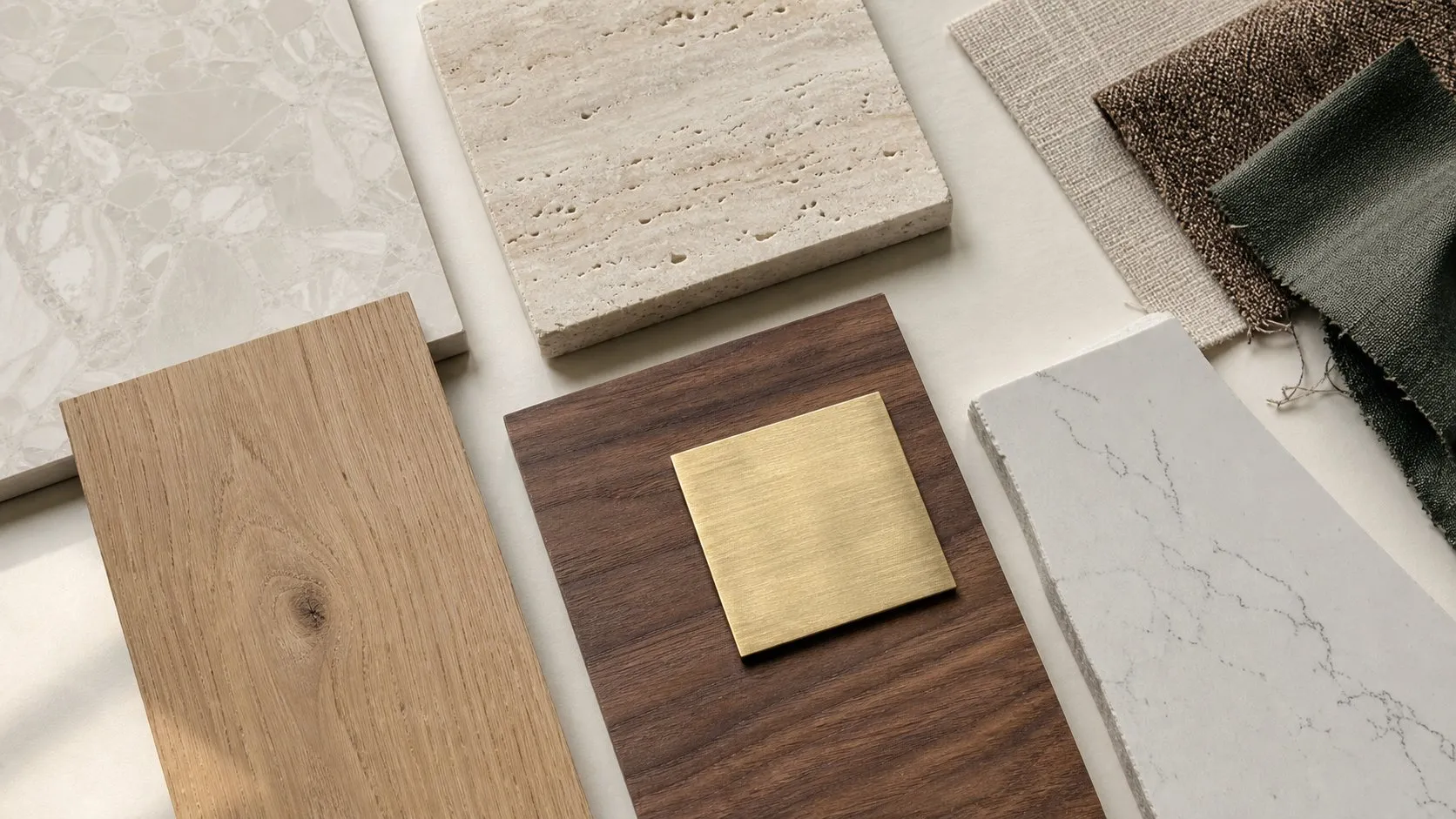
Materials That Survive Lahore's Climate
Flooring, joinery, paint and fabrics that cope with heat, dust and monsoon humidity.
Read the article