
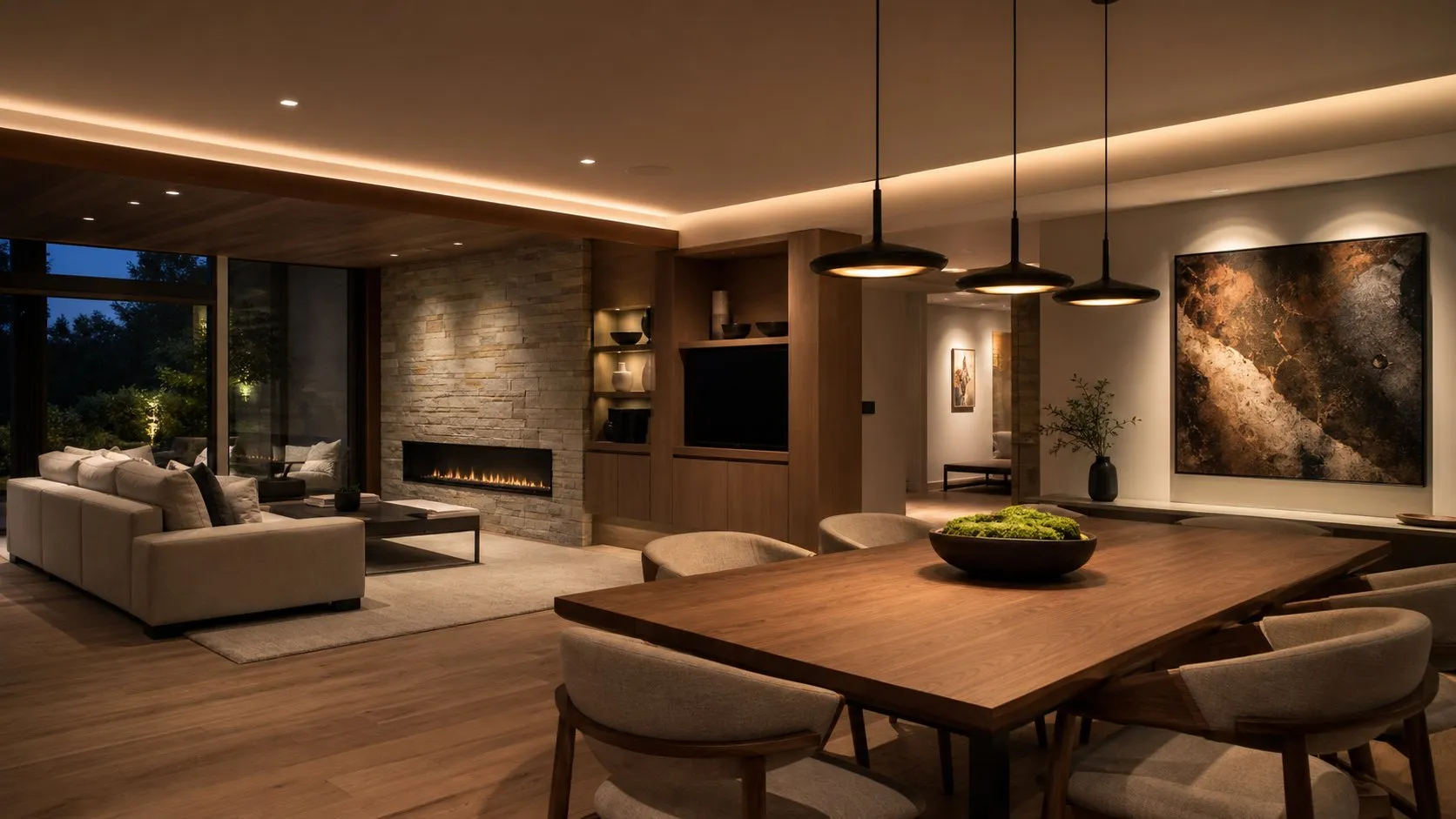
Lighting
Lighting Design Layers, Explained
Good lighting is not one bright light in the middle of the ceiling. It is layers working together. Here is how to plan them.
Why layers matter
Lighting design layers let a room change with the time of day and the task. One central light makes rooms flat and leaves shadows where you work. Layers give comfort, focus and mood with the same space.
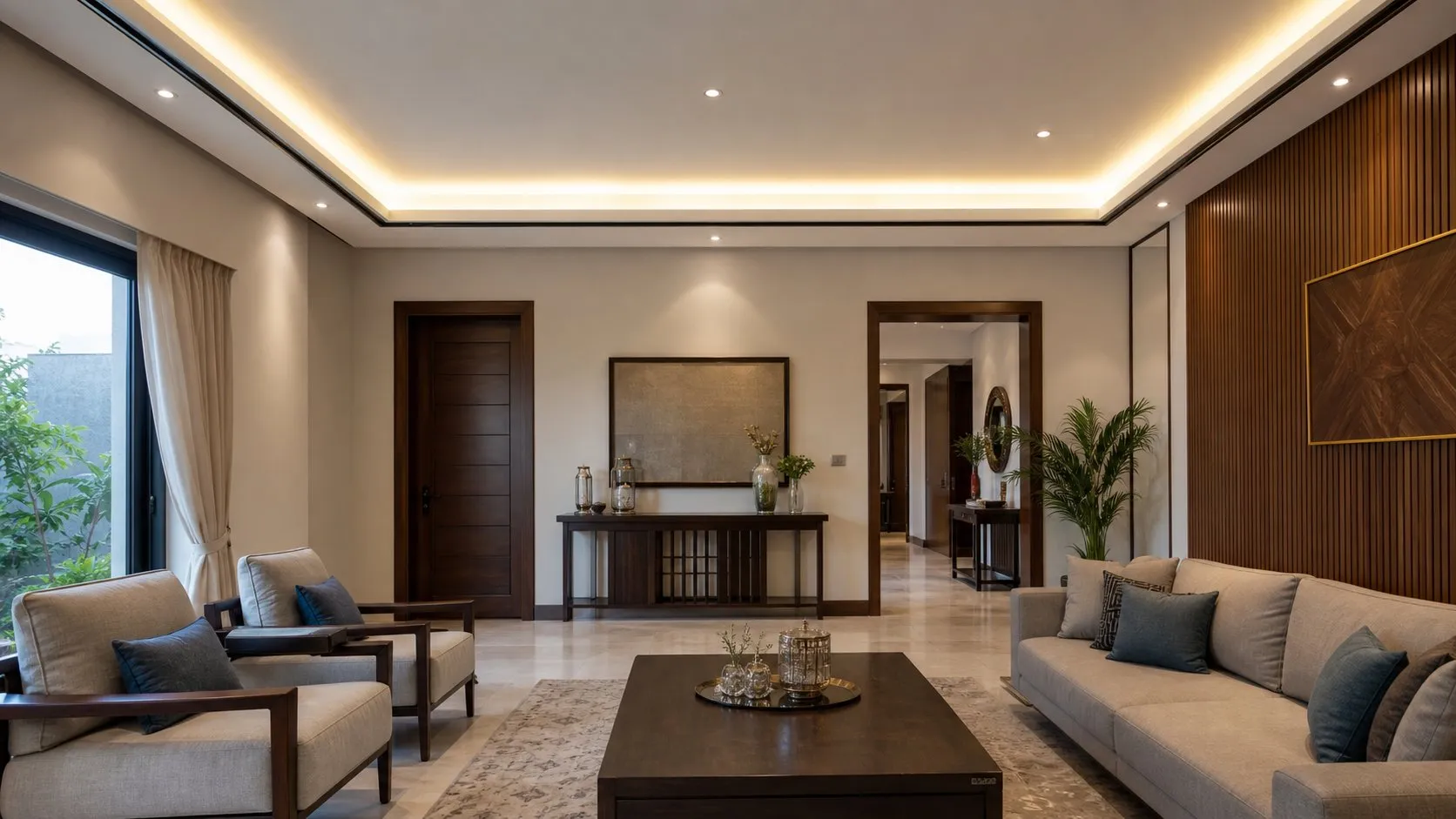
The four layers
| Layer | Purpose | Examples |
|---|---|---|
| Ambient | Overall, even light | Cove lights, downlights, panels |
| Task | Light for work | Under-cabinet strips, desk and reading lamps |
| Accent | Highlight features | Wall washers, spotlights on art |
| Decorative | Character and style | Pendants, chandeliers, wall lights |
Colour temperature and quality
- Warm white feels relaxed in lounges and bedrooms.
- Neutral white suits kitchens, offices and bathrooms.
- Cool white works for task areas but feels harsh at home.
- High colour rendering shows true colours of skin, food and finishes.
- Glare control matters more than brightness.
Keep colour temperature consistent within a room.
Controls make layers useful
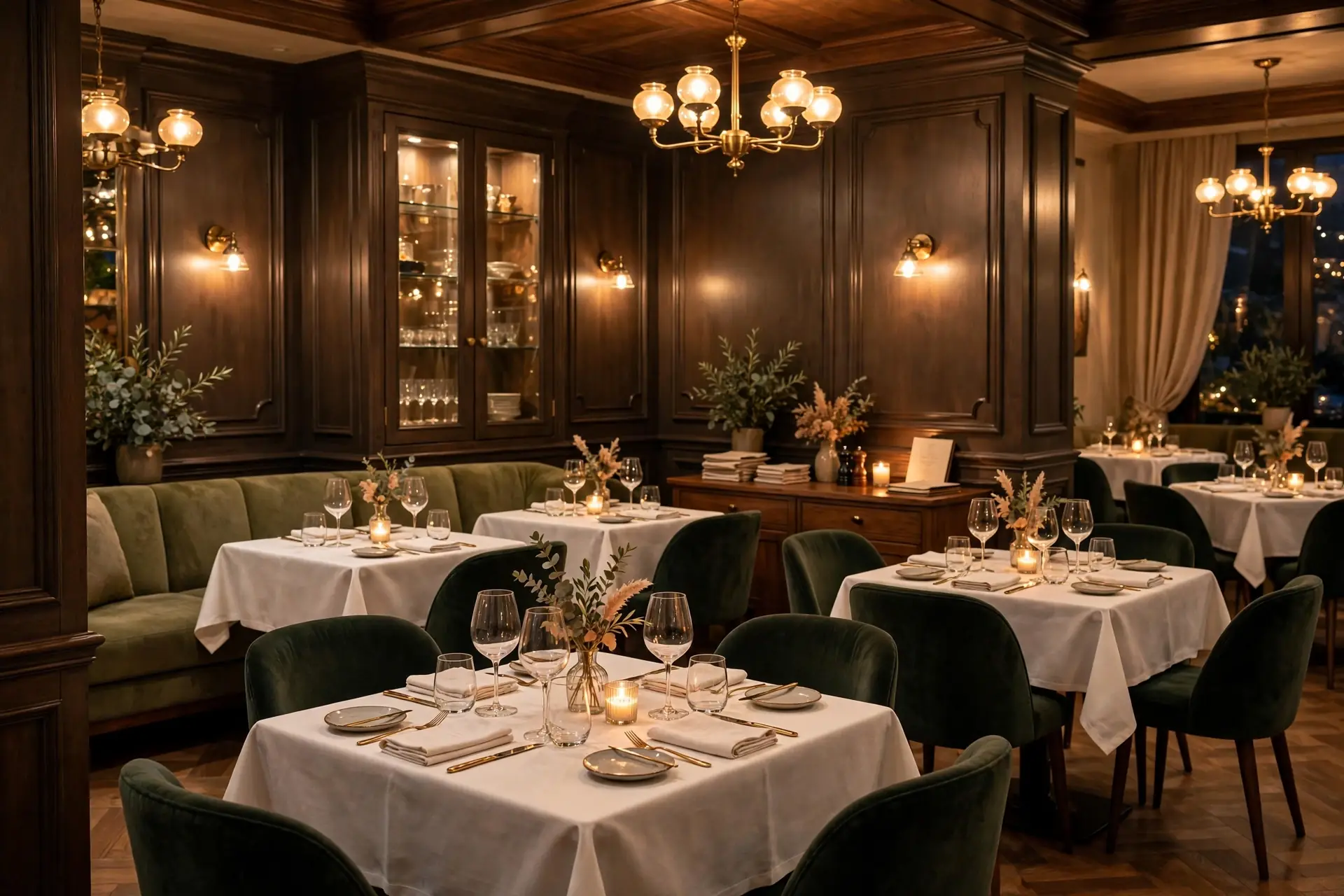
Put each layer on its own switch or dimmer so you can set scenes: bright for cleaning, soft for evenings, focused for work. In larger homes and offices, simple scene controls add comfort without complexity. Plan switches with the furniture layout, not after it.
Lighting is usually planned together with the ceiling; see false ceiling design and cost.
Colour temperature and colour rendering
Colour temperature, measured in kelvin, describes how warm or cool light looks. Warm white (2700K to 3000K) suits living rooms and bedrooms. Neutral white (3500K to 4000K) suits kitchens, bathrooms and offices where you need to see clearly.
Colour rendering (CRI) describes how true colours look under the light. Choose CRI 90 or higher wherever skin tones, food or fabrics matter, such as dressing areas, kitchens and dining rooms.
Switching and control
Good lighting is as much about control as fittings. Put each layer on its own switch, so ambient, task and accent light can be used separately. Add dimmers in living and dining rooms.
Two-way switches at both ends of corridors and stairs, and bedside switches for the main light, are small details that make a home much easier to live in.
Room-by-room starting points
| Room | Ambient | Task | Accent |
|---|---|---|---|
| Living room | Cove or recessed lights | Reading lamp | Art or feature wall light |
| Kitchen | Ceiling lights | Under-cabinet strips | Glass cabinet lights |
| Bedroom | Soft ceiling light | Bedside lamps | Headboard wash |
| Bathroom | Ceiling light rated for wet areas | Mirror light | Niche light |
Common lighting mistakes
- Too many downlights in a grid, making the ceiling look like a cheese grater.
- One bright light for the whole room.
- Cool white light in living spaces.
- No light at the mirror, causing shadows on the face.
- Forgetting sockets for lamps.
A few well-placed sources nearly always beat many identical ones.
Next steps
If you are planning new lighting, start by writing down what you want to change, what must stay and the date you need the space ready. Take photos of the space as it is today and collect a few images of interiors you like.
Walk through each room in the evening and note where light is missing: at the mirror, over the counter, beside the sofa or along the stairs.
When you are ready, see our false ceiling and lighting design page or book a site visit or studio meeting. A designer can review your space, talk through options and prepare a written, itemised quote.
Planning lighting room by room
- Fix the furniture layout.
- Place ambient light for even coverage.
- Add task light where people work.
- Highlight one or two features.
- Choose decorative pieces last.
- Group circuits into scenes.
Our interior design and office design teams include lighting plans in every project.
The short version.
- Four layers: ambient, task, accent and decorative.
- Consistent colour temperature and good colour rendering.
- Separate controls turn layers into scenes.
Questions
Asked often, answered plainly.
Ambient for general light, task for work areas, accent for highlighting features and decorative for character.
Warm white usually feels most comfortable in living rooms and bedrooms.
No. Downlights alone can create glare and harsh shadows; combine them with cove, task and lamp light.
Early, together with the furniture layout and false ceiling, before electrical work starts.
Light the task, the feature and the mood. The room will look after itself.
Keep looking
Related reading.
False Ceiling Design and Cost in Lahore 2026
Gypsum, POP and grid ceilings compared, plus how lighting and design detail change the price.
Read the article
Office Layout Mistakes That Kill Productivity
Noise, glare, too few rooms and not enough power: the layout errors teams feel every day.
Read the article
Materials That Survive Lahore's Climate
Flooring, joinery, paint and fabrics that cope with heat, dust and monsoon humidity.
Read the article